Context: Project Island Song live brief, Urupukapuka Island
Programme: Community kitchen, classroom and wetland
Role: Sole author
Tools: Rhino, Photoshop, Illustrator
Year: 2021
Status: Academic project, live brief
Design Context:
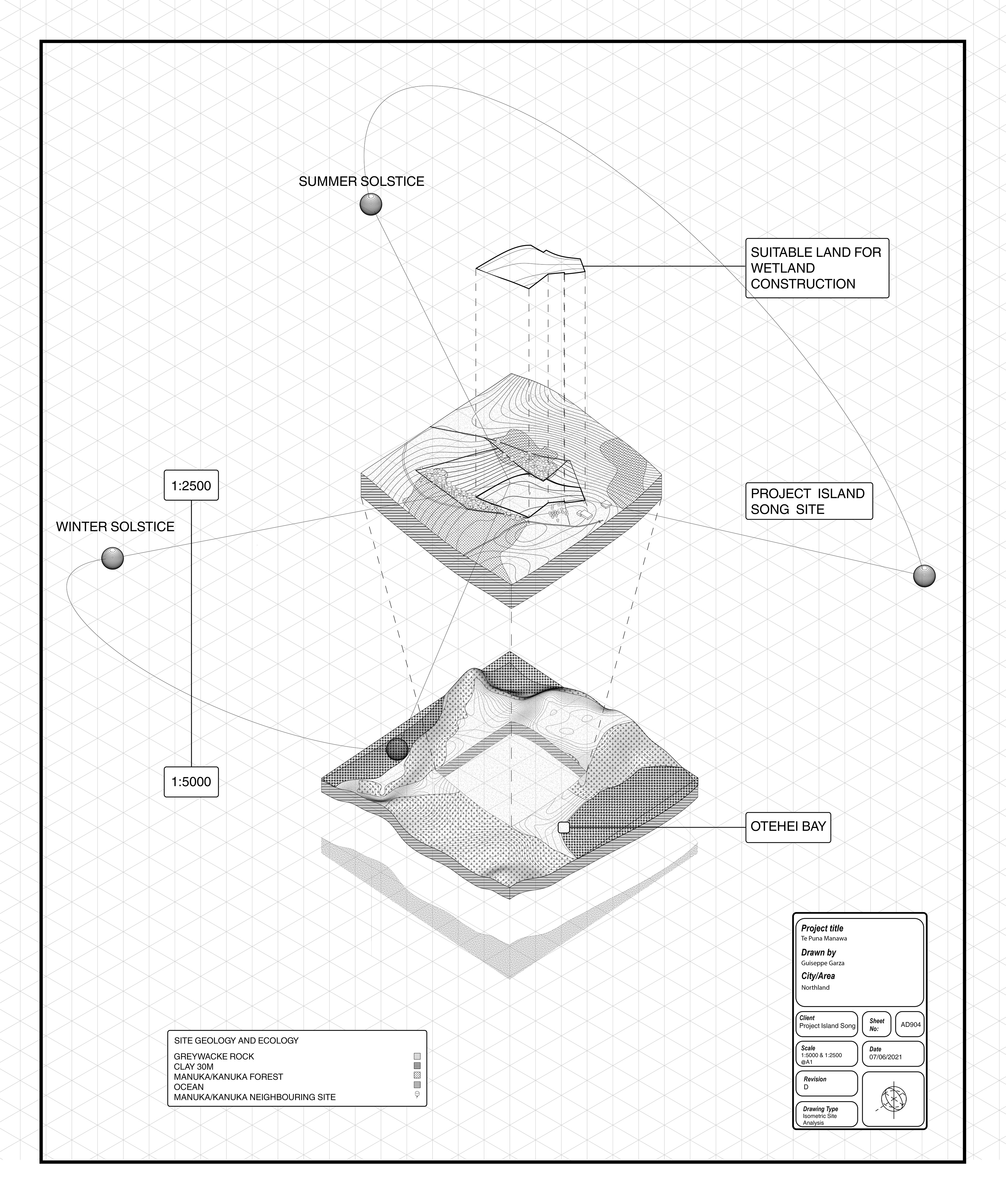
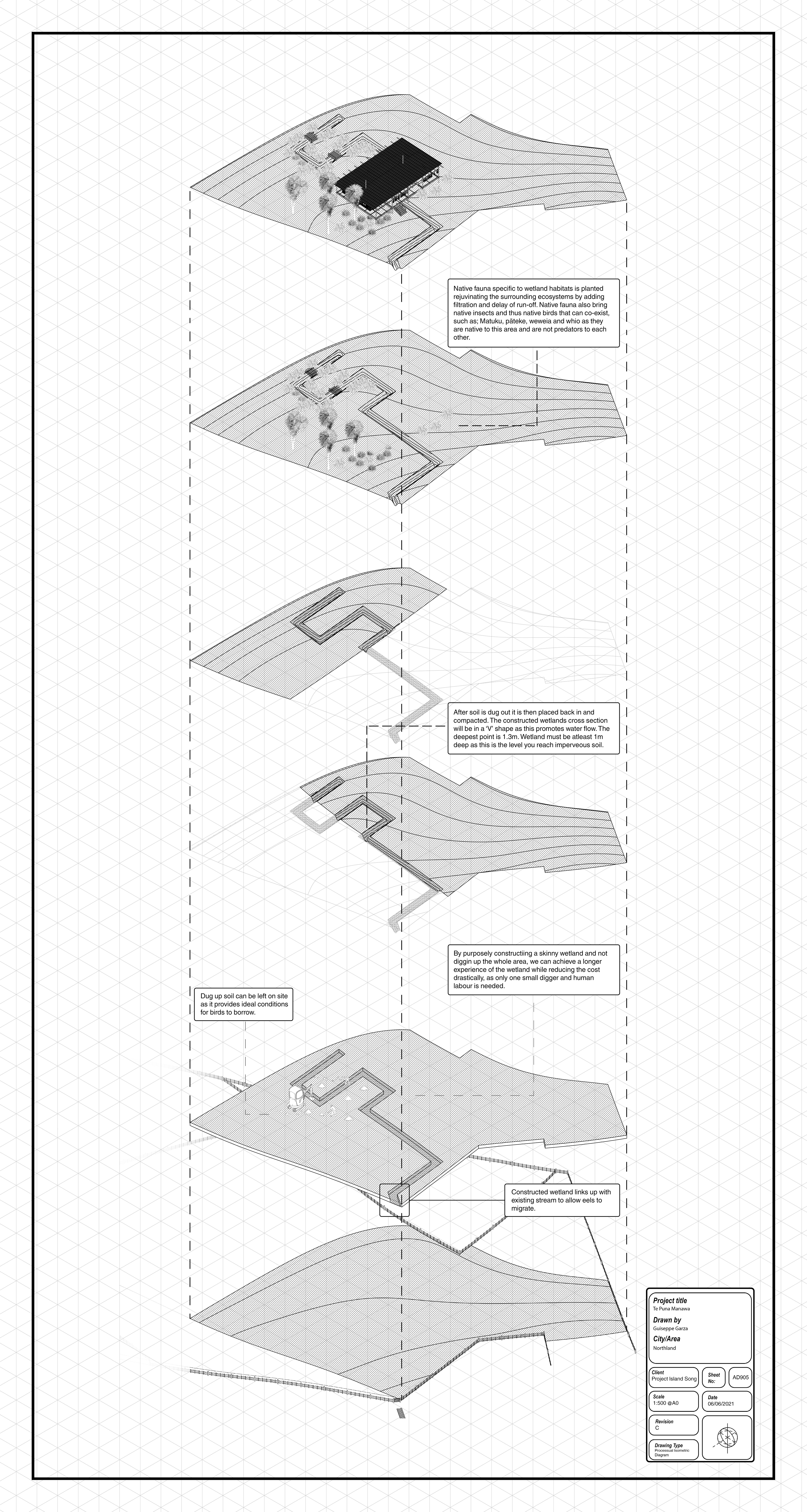
Design Refinement:
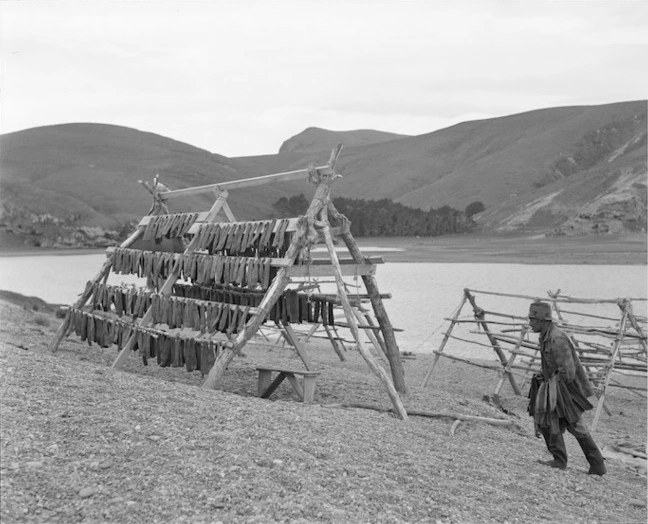
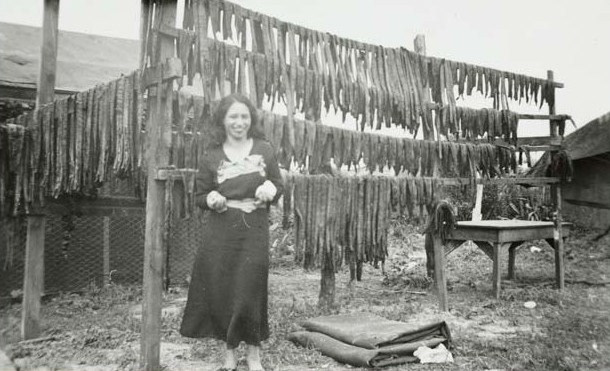
Tuna (Eel) dryers:
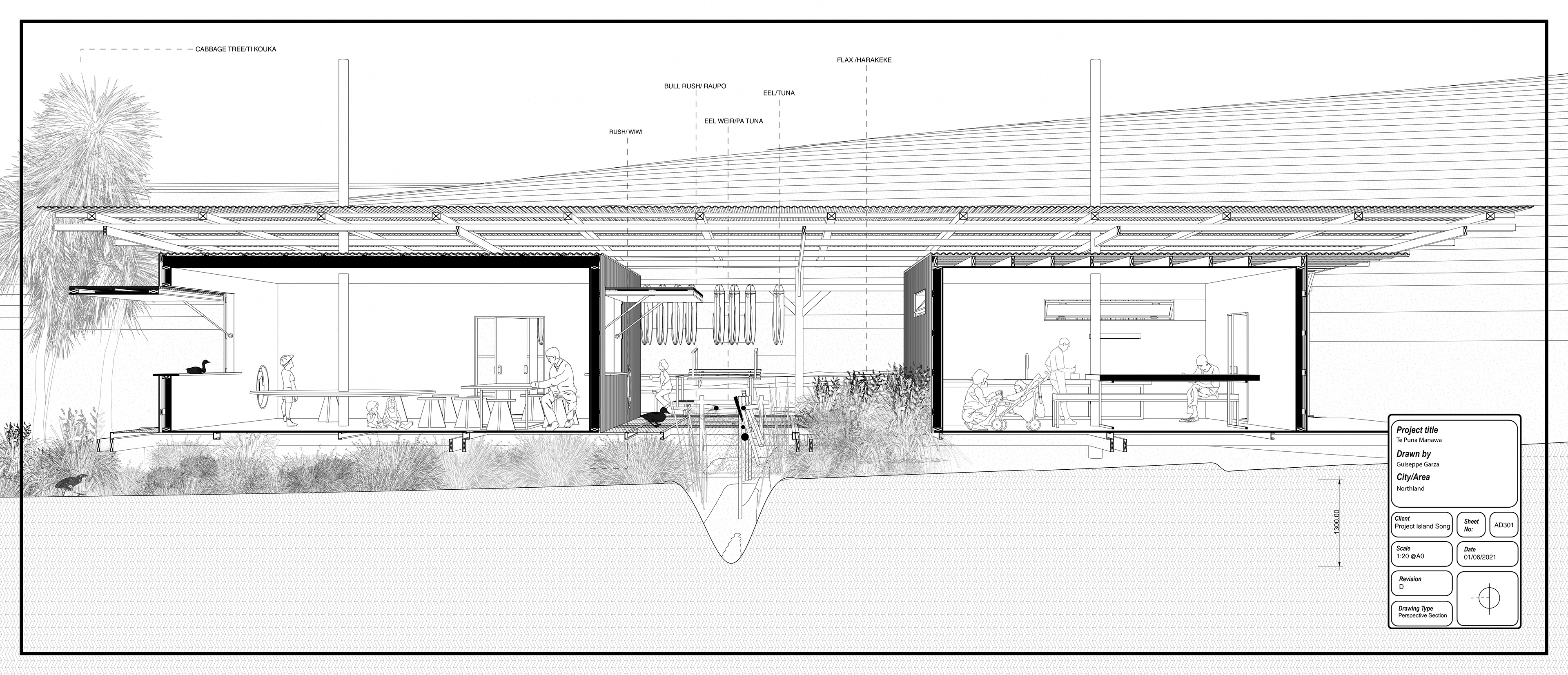
As part of a broader proposal to decolonise the landscape, this design research explored wetlands as sites of ecological restoration, mātauranga, and food production.
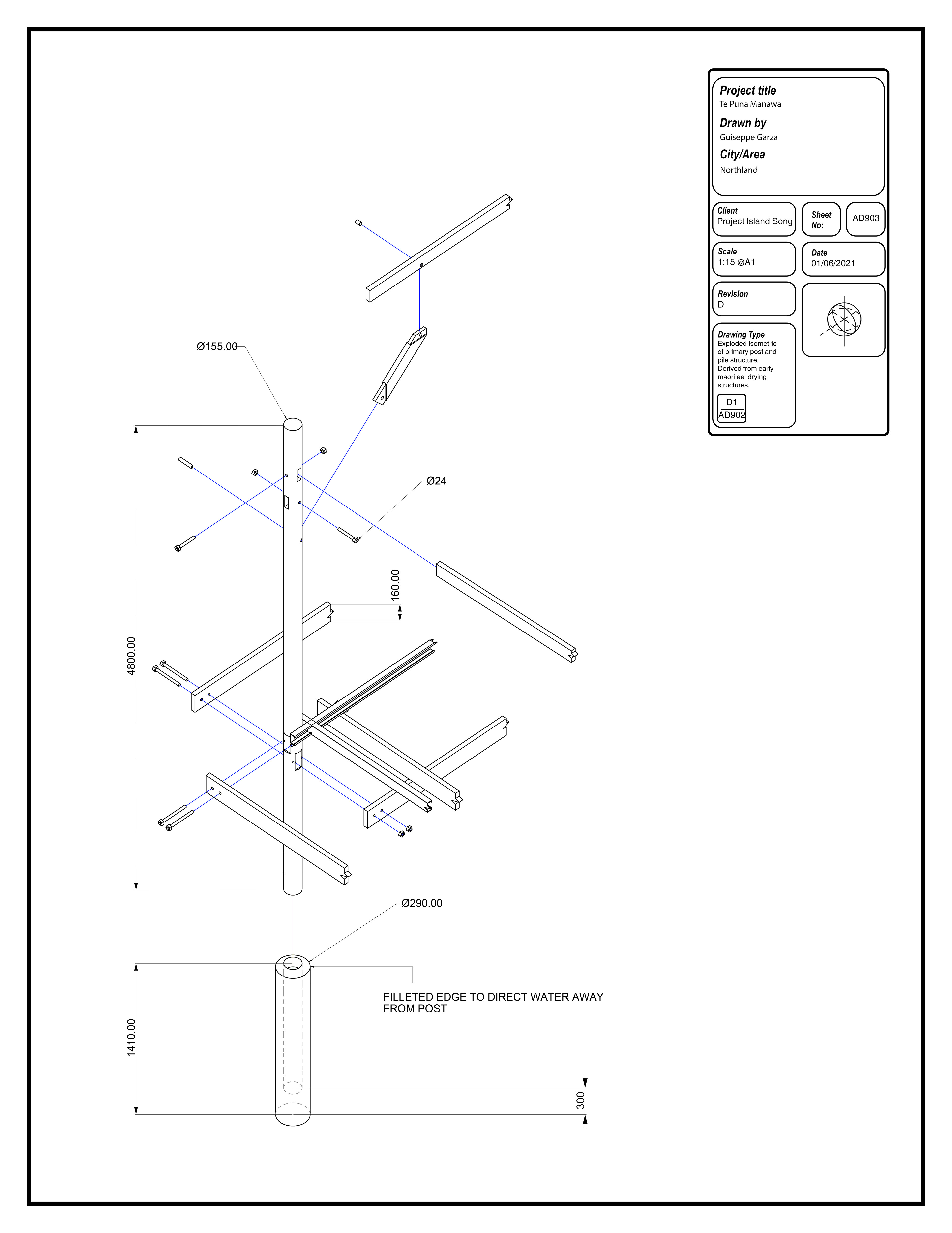
Investigating Māori uses of wetland environments led to a focus on tuna (eel) harvesting and drying practices, where eels were traditionally caught, filleted, and hung by flax on drying structures. This precedent became the conceptual and structural basis for the final design, reintroducing an overlooked form of wetland kai into the architectural language of the project.
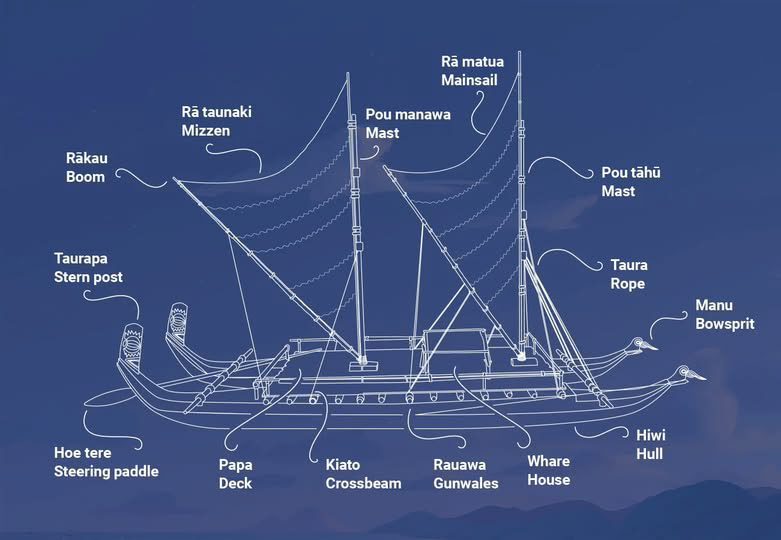
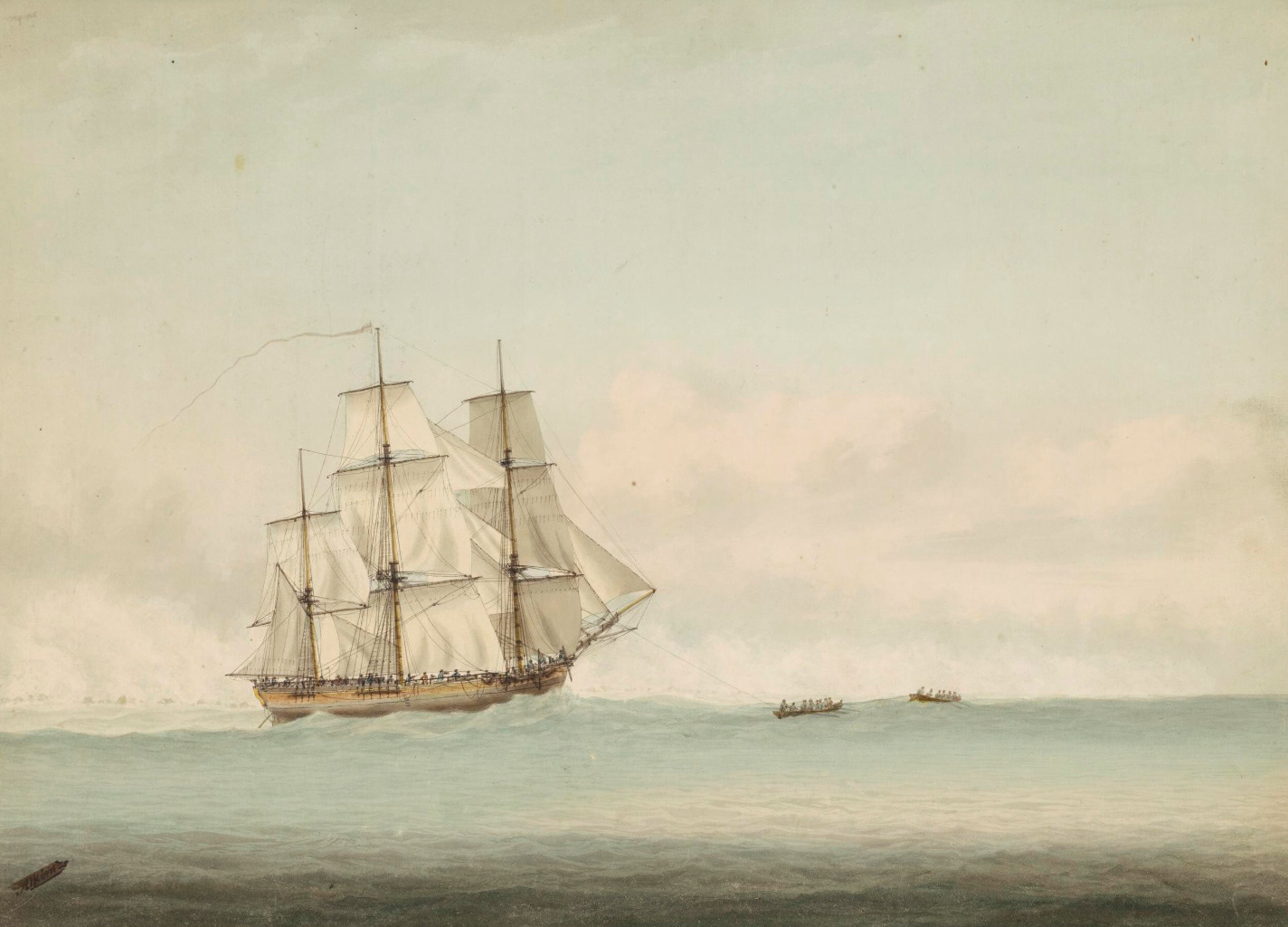
The Bay of Islands is steeped in maritime history through its links with Polynesian and colonial voyaging.
This design draws on the vertical rhythm of these vessels, creating a mast-like structure that evokes the history of Urupukapuka. Additionally, a sense of buoyancy is created, by the tension of the two columns and the emphasis through the design process for the proposal to be light on the land.
A 'Waka Hourua':
A double-hulled voyaging canoe Māori used to migrate from Hawaiki to Aotearoa and Bay of Islands.
A double-hulled voyaging canoe Māori used to migrate from Hawaiki to Aotearoa and Bay of Islands.
Captain James Cook's HM Bark Endeavour:
A refitted coal-hauling bark, was the first European ship to enter the Bay of Islands, anchoring at Motu Arohia and Moturua Island in November 1769.
Marion du Fresne, later anchored at Moturua Island in Le Mascarin on May 4, 1772, proving detailed descriptions of the pā on Urupukapuka Island.
Initial Concept:
Early concepts explored how architecture could operate both above and within the wetland landscape, allowing natural systems and built form to influence one another. At this stage, a series of pods emerged as the preferred approach, as they enabled movement through the site while framing a closer engagement with wetland ecologies.
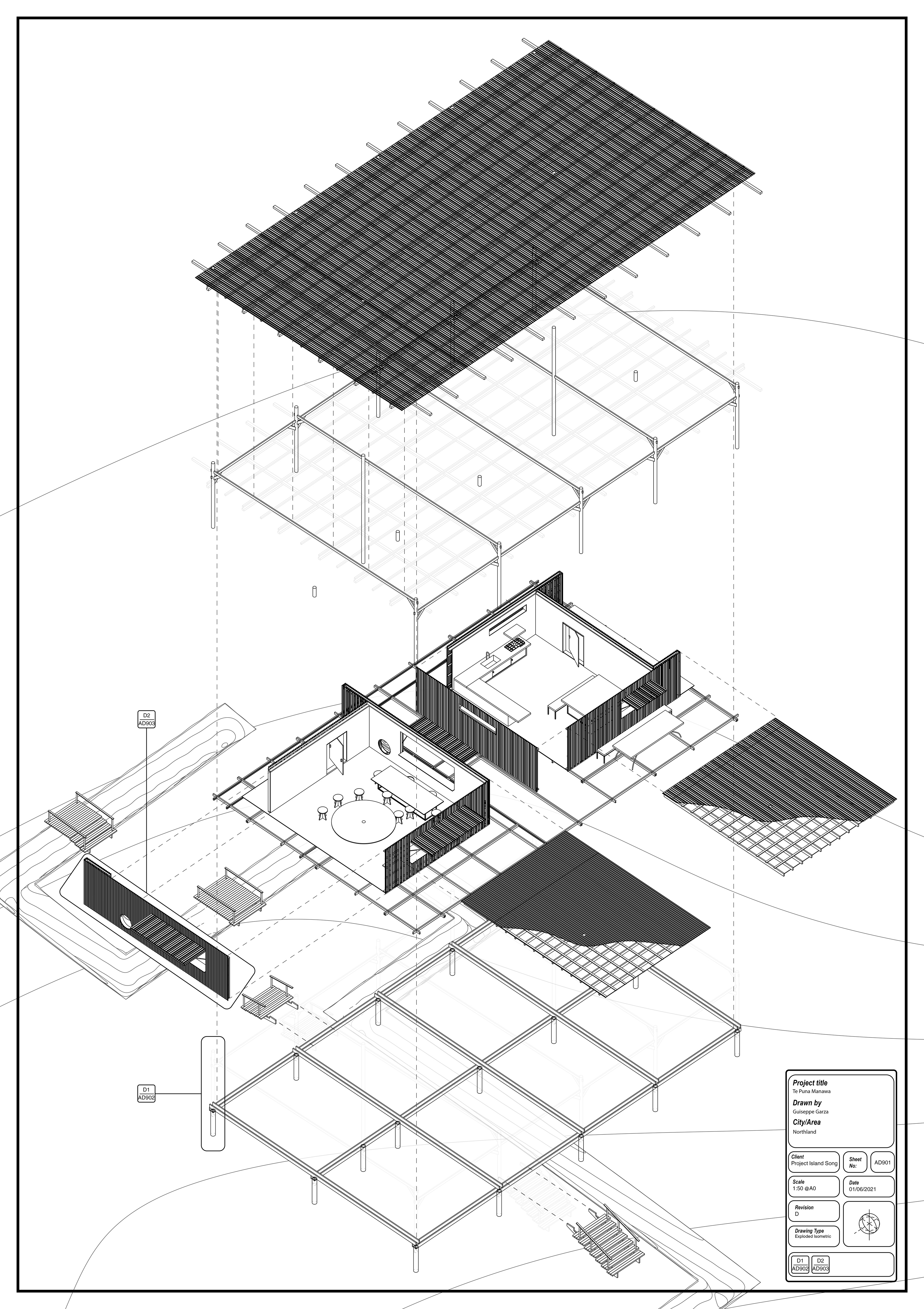
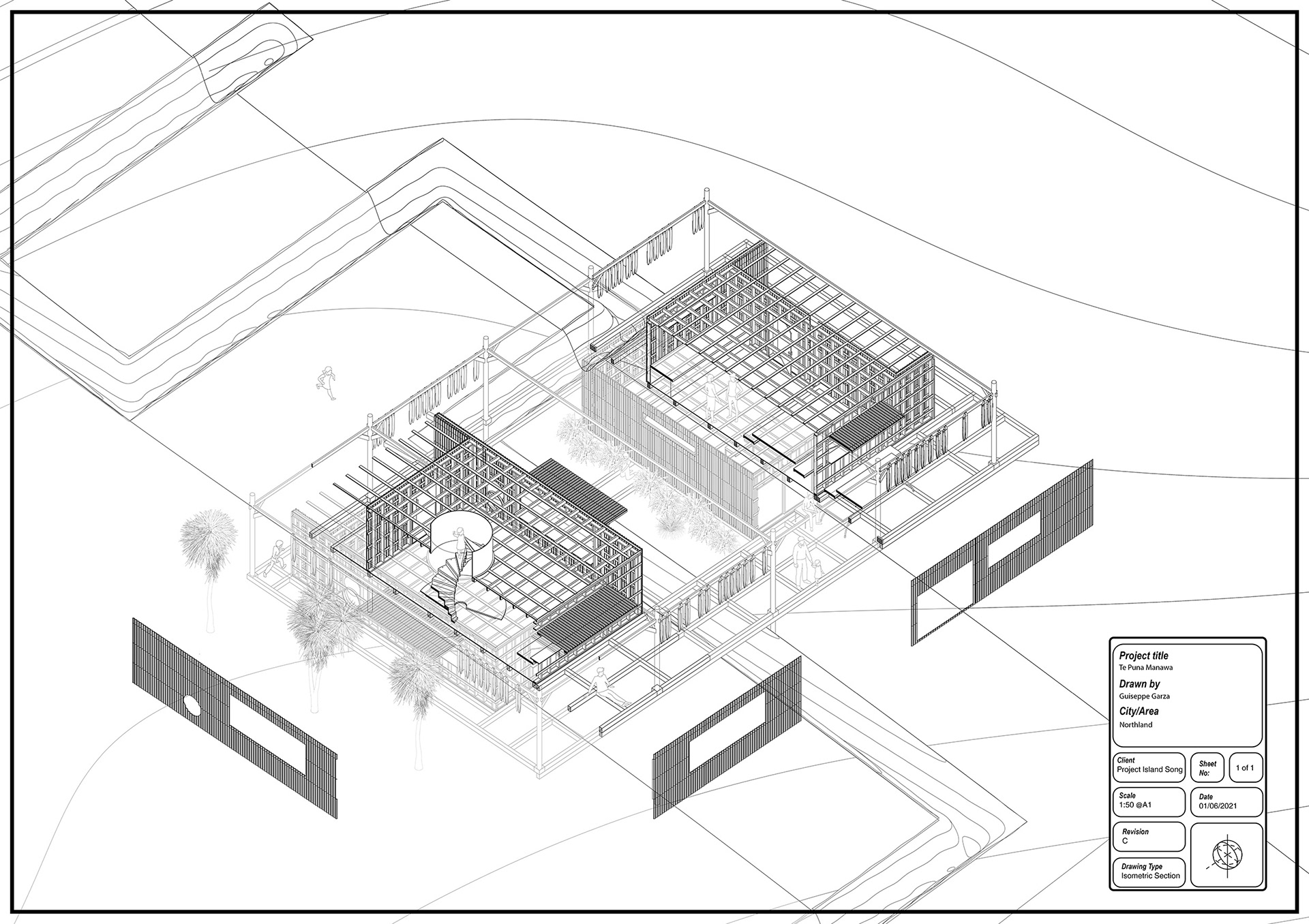
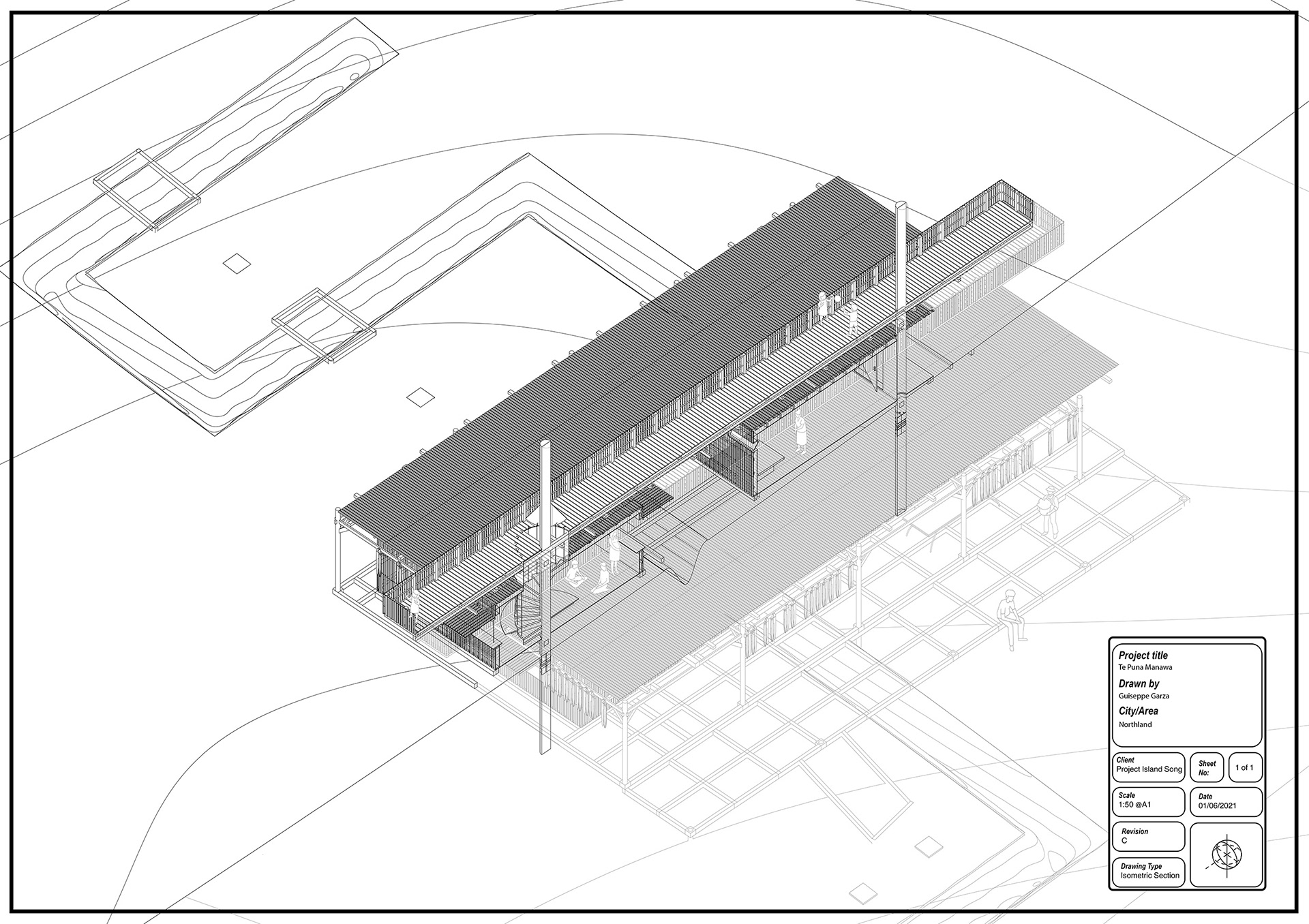
The design developed into three timber pods connected by elevated walkways and sheltered by a lightweight roof structure. Designing in elevation became important, allowing the proposal to respond directly to the changing levels and conditions of the wetland landscape while minimising impact on the ground below.
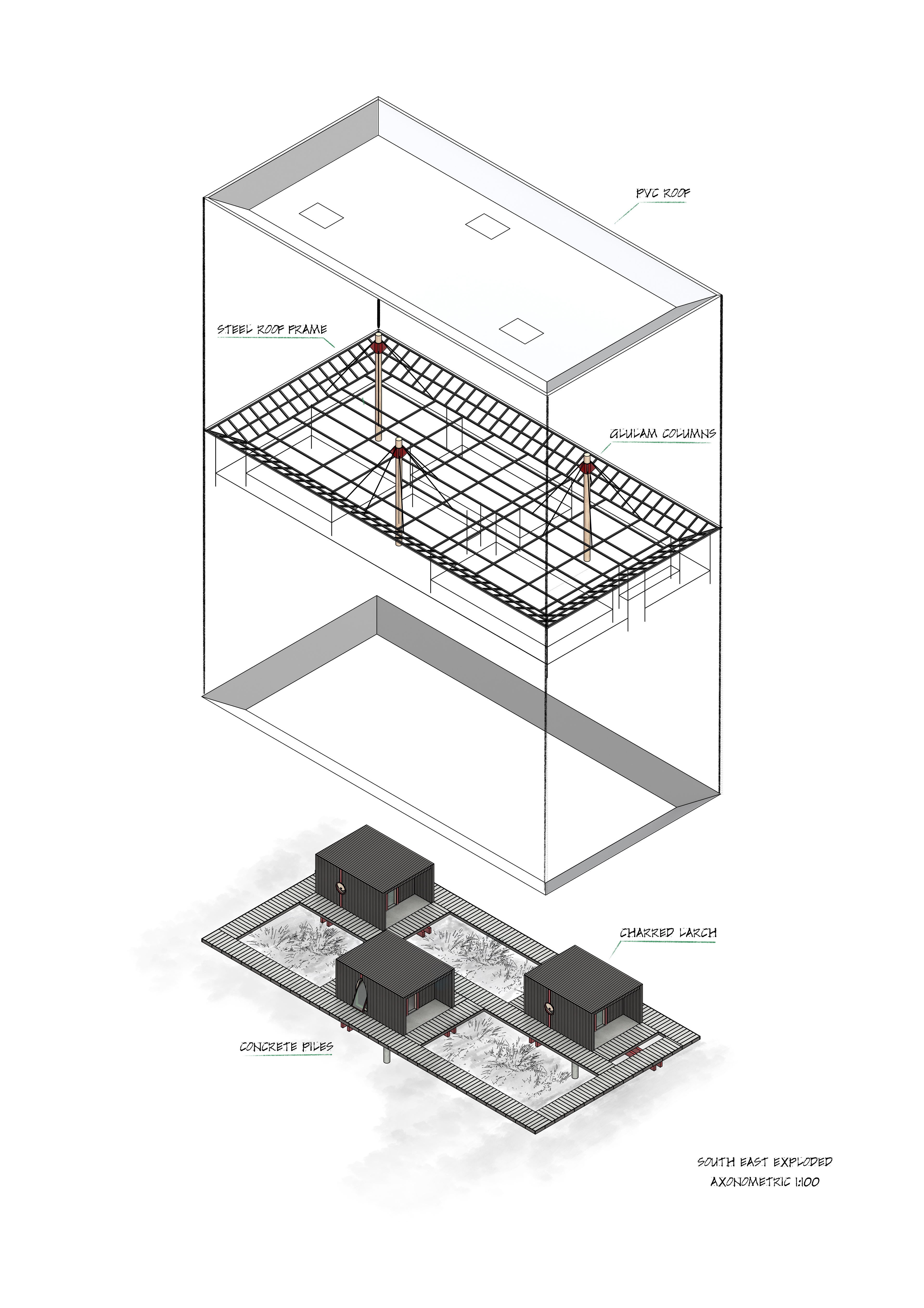
The exploded isometric reveals the project as a lightweight assembly of pods, walkways, columns, and roof structure. It highlights how the architecture was conceived as an elevated system: touching the site lightly, preserving the wetland beneath, and framing ecological processes as part of the visitor experience.
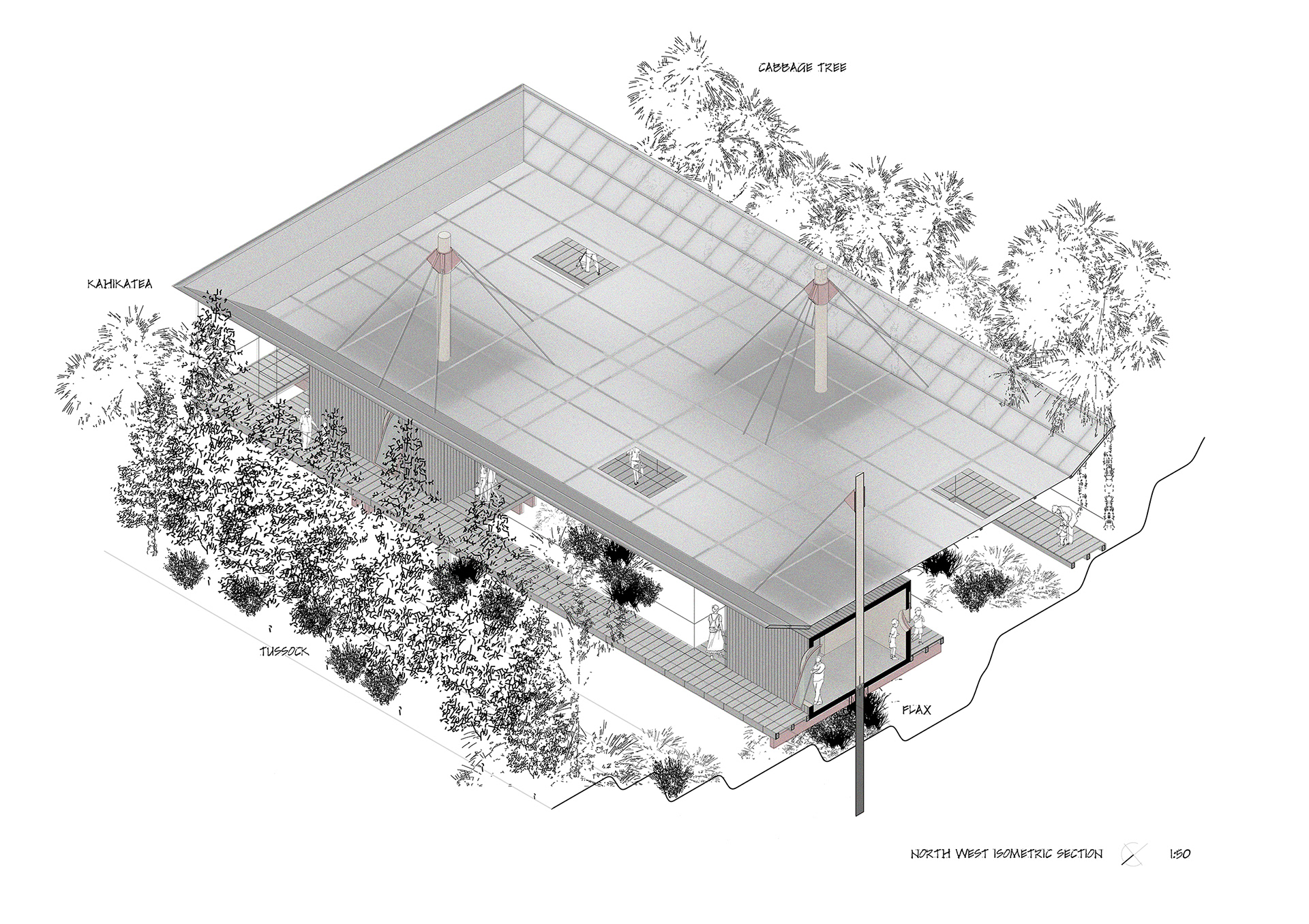
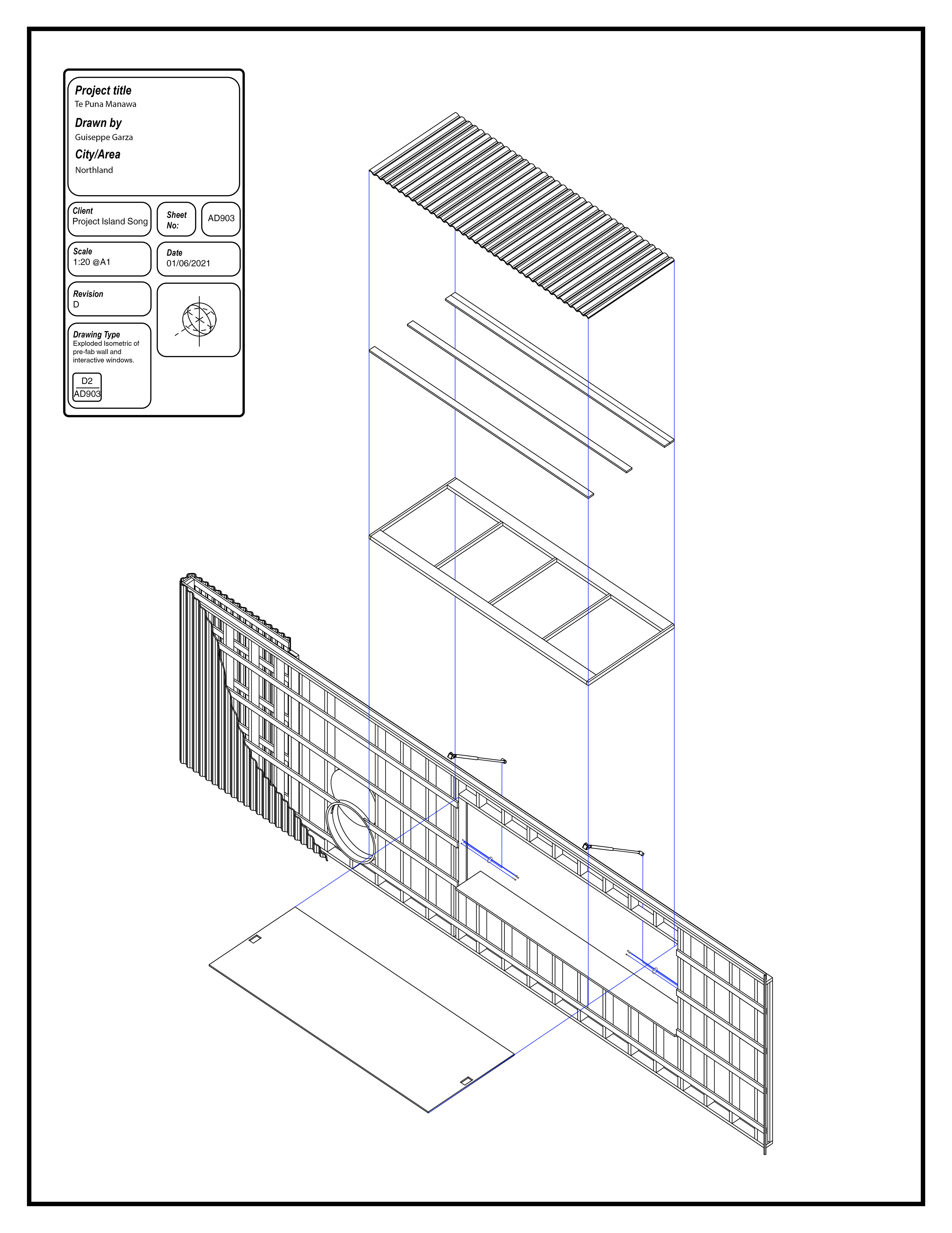
This iteration proposed three timber pods supported by a minimal structural system intended to avoid unnecessary damage to the wetland beneath. Concrete piles carried glulam columns that supported a lightweight steel-framed roof clad in translucent PVC. Openings in both the walkway and roof aligned with the wetland below, allowing rainwater, light, and vegetation to remain active parts of the architectural experience. At this stage, the pods were conceived as spaces for written, visual, and model-based interpretation of the surrounding wetland environment.